Podcast: Play in new window | Download (Duration: 1:05:50 — 150.7MB)
Subscribe: Apple Podcasts | Spotify | Amazon Music

Resources
Podcast: Play in new window | Download (Duration: 1:05:50 — 150.7MB)
Subscribe: Apple Podcasts | Spotify | Amazon Music

Podcast: Play in new window | Download (Duration: 1:07:21 — 154.1MB)
Subscribe: Apple Podcasts | Spotify | Amazon Music

Podcast: Play in new window | Download (Duration: 55:11 — 126.3MB)
Subscribe: Apple Podcasts | Spotify | Amazon Music

Podcast: Play in new window | Download (Duration: 56:15 — 128.7MB)
Subscribe: Apple Podcasts | Spotify | Amazon Music

Podcast: Play in new window | Download (Duration: 1:11:29 — 163.7MB)
Subscribe: Apple Podcasts | Spotify | Amazon Music

Podcast: Play in new window | Download (Duration: 54:28 — 124.6MB)
Subscribe: Apple Podcasts | Spotify | Amazon Music
Conflict in relationships is inevitable – find out the ins and outs of repair for healthy relationships.
We are back with relationship expert, Dr. Stan Tatkin to explore the inner workings of relationships from a biological and societal perspective, and his new book, In Each Other’s Care. All humans are complicated creatures and if we spend enough time with each other, it’s going to get tense. That part is OK, but what happens after arguing disconnection or tension is what really matters.

Podcast: Play in new window | Download (Duration: 55:47 — 127.7MB)
Subscribe: Apple Podcasts | Spotify | Amazon Music
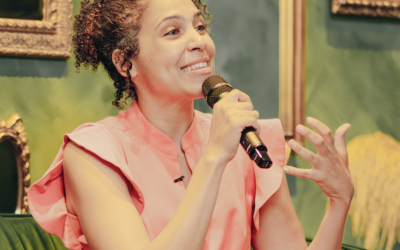
José Rosario shares the transformative role of storytelling in healing and liberation. He invites therapists to move beyond traditional coping frameworks and embrace radical healing – an approach that centers cultural wisdom, intersectional identity, and community empowerment. Together, Sue and José discuss how clinicians can respond to hate-based violence, recognize collective trauma, and actively dismantle systems of harm. José also shares his personal journey toward self-acceptance and the playful practices that sustain his work, offering inspiration for those seeking to uplift marginalized voices through creativity and connection. Listen to the full episode now at TherapistUncensored.com/TU282


Podcast: Play in new window | Download (304.2MB)
Subscribe: Apple Podcasts | Spotify | Amazon Music
Benjamin Fry, a mental health professional and founder of Khiron Clinics, joins Sue Marriott as he shares his personal journey through trauma and how his experiences shaped his personal and professional approach to therapy. From the establishment of his clinic to innovative treatment modalities like EMDR and somatic experiencing, his work further led to the introduction of the PhysioCam, a tool designed to help clients visualize their nervous system states. With the ever-evolving world of technology and mental health, together they emphasize the importance of psychoeducation and accessibility in mental health care, aiming to provide hope and resources for those in need. View the full episode’s shownotes at TherapistUncensored.com/TU279

Podcast: Play in new window | Download (Duration: 1:14:08 — 169.7MB)
Subscribe: Apple Podcasts | Spotify | Amazon Music
Dr. Ann Kelley and expert Judith Matz unpack the complex relationship between dieting, emotional eating, body image, and weight stigma. Together they challenge conventional views on weight and health, emphasizing that fitness matters more than the number on the scale, and explores why most diets fail both psychologically and physiologically. They also cover the historical roots of fatphobia, the dangers of weight
bias in healthcare, and the rise of weight loss drugs like Ozempic. Judith highlights the importance of attuned eating, informed consent, and compassionate care, offering a weight-inclusive approach to healing our relationship with food and body. View full episode shownotes at TherapistUncensored.com/TU277
Podcast: Play in new window | Download (Duration: 37:38 — 86.1MB)
Subscribe: Apple Podcasts | Spotify | Amazon Music
Sue Marriott is joined by Rebecca Kase to explore how understanding the nervous system—especially the
concept of interoception—can support healing from trauma. Rebecca shares her personal story as a survivor and highlights the importance of creating safety, tuning into the body’s internal signals, and approaching somatic work with compassion. Together, they unpack how interoception differs from general perception, why it matters in therapy, and how small, gradual steps can help rebuild connection with the body. View full shownotes at TherapistUncensored.com/TU274.
Podcast: Play in new window | Download (Duration: 1:00:55 — 139.4MB)
Subscribe: Apple Podcasts | Spotify | Amazon Music
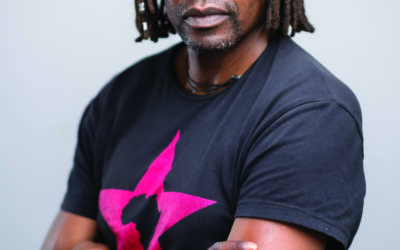
Grounded in research and lived experience, this conversation invites a rethinking of care—away from over-medicalization and toward more accessible, human-centered approaches. Dixon Chibanda shares the powerful story behind the Friendship Bench, a community-based mental
health model that centers healing in the heart of local communities. He explores how grandmothers—often overlooked in traditional mental health systems—play a vital role in offering care, connection, and wisdom. Dr. Chibanda discusses the barriers to accessing mental health services, the role of storytelling in the healing process, and the global expansion of the Friendship Bench. Grounded in research and lived experience, this conversation invites a rethinking of care—away from over-medicalization and toward more accessible, human-centered approaches. View this episodes shownotes at TherapistUncensored.com/TU271 – Join our exclusive online community at TherapistUncensored.com/Join

Podcast: Play in new window | Download (Duration: 1:03:48 — 146.1MB)
Subscribe: Apple Podcasts | Spotify | Amazon Music
Dr. Monnica Williams alongside Sue Marriott explore the deep psychological toll of racism, focusing on the concept of racial trauma and its cumulative impact on people of color. She highlights the importance of recognizing these experiences within therapeutic settings and the need for diversity in mental health research and practice. The discussion delves into the role of civil courage and meaningful allyship—particularly among white individuals in addressing systemic injustice. Dr. Williams offers insights into the multifaceted nature of activism, the harm caused by microaggressions, and the emotional labor involved in navigating everyday racism. From the fear of law enforcement to the unique challenges faced by white women in activism, Dr. Williams urges practitioners and allies alike to listen deeply, receive feedback openly, and use their privilege to support marginalized communities. Shownotes: www.therapistuncensored.com/TU271 Join online community: www.therapistuncensored.com/join

Podcast: Play in new window | Download (Duration: 15:09 — 34.7MB)
Subscribe: Apple Podcasts | Spotify | Amazon Music
Alongside co-host Sue Marriott, Dr. Dan Siegel explores how loss, vulnerability, and connection shape personal growth and healing. He discusses the science of attachment and personality, highlighting nine
adaptive patterns that emerge from non-secure attachment. The conversation also explores how neuroscience sheds light on emotional needs, alongside Siegel’s personal reflections on his own attachment history and path as a professional. Together they unpack how neuroscience, motivation, and community impact therapy. The episode offers practical insights for clinicians, emphasizing a compassionate, non-shaming approach to mental health and the journey toward secure attachment and the feeling of wholeness.

Podcast: Play in new window | Download (Duration: 17:07 — 39.2MB)
Subscribe: Apple Podcasts | Spotify | Amazon Music
This is a sneak peek of our episode with Dr. Krista Jordan – available only on our Premium Supercast and Patreon platforms. For as little as $5/month you can have access to special releases like this one, first-to-know about upcoming events and discounts and an ad-free feed.
Dr. Krista Jordan & co-host Sue Marriott LCSW CGP dive into the messy, fascinating world of the 4th attachment category – disorganized attachment. Through intimate personal stories, they describe how it shows up in therapy, relationships, and everyday life. They explore the Adult Attachment Projective (AAP) and Adult Attachment Interview (AAI), unpacking what is sometimes called disorganized, unresolved, dysregulated, dissociated attachment that can ripple through generations.Learn how dismissive strategies work so well they can stop us from growing, why feedback (and a little distress) is crucial for self-awareness, and how shame and anger are often two sides of the same coin.

Podcast: Play in new window | Download (Duration: 54:38 — 125.1MB)
Subscribe: Apple Podcasts | Spotify | Amazon Music
As we close out another year, Ann and Sue take time to reflect on 2024 while sharing some exciting opportunities for the year ahead. The Vitality Series is an exciting new endeavor, where they emphasize creating safe spaces for dialogue, navigating tough emotions, and bringing therapeutic concepts into everyday life. With an honest look at shame, vulnerability, and the challenges of personal growth, they explore how connection can empower both individuals and communities. Along the way, they celebrate the milestones of their podcast, emphasize the importance of self-reflection,
and highlight the role of supportive networks in fostering meaningful change.

Podcast: Play in new window | Download (Duration: 1:01:42 — 141.2MB)
Subscribe: Apple Podcasts | Spotify | Amazon Music
Dr. Diana Hill and co-host Dr. Ann Kelley explore the power of process-based therapy to improve relationships and wellbeing. Through various methods like the 6 principles of ACT, the understanding of values, and the family body analogy, they use their personal and professional experience to discuss ways to help resolve conflict and find deeper connection through secure relating. Learn ways to tap into your most deeply connected self to move forward through life’s challenges and nurture healthy relationships.

Podcast: Play in new window | Download (Duration: 1:00:09 — 137.7MB)
Subscribe: Apple Podcasts | Spotify | Amazon Music
Sue Marriott and Diana Fosha explore the key principles of Accelerated Experiential Dynamic Psychotherapy (AEDP) and its transformative impact on the field. AEDP begins with the premise of “healing from the get-go,” and fostering change from the first session. It emphasizes “undoing aloneness” by building a supportive therapeutic relationship, while encouraging clients to engage deeply with emotions. Join us as we highlight techniques like metatherapeutic processing, where clients reflect on their healing experience, and integrating neuroscience into clinical practice.

Podcast: Play in new window | Download (Duration: 55:08 — 126.2MB)
Subscribe: Apple Podcasts | Spotify | Amazon Music
Sue Marriott and Ann Kelley discuss Experiential Dynamic Therapies (EDTs) with experts Margaret Martin and Dr. Deb Pollack. These therapies focus on recognizing and challenging defenses that lead to
problems both internally and relationally. Learn the difference between defenses that feel right (Egosyntonic) and those that don’t (Egodystonic) and why it’s important to work against them for change. This episode is a deep dive into the role of EDTS in couples’ therapy, and highlights the need for an integrated approach to address underlying trauma, plus much more!
Podcast: Play in new window | Download (Duration: 1:00:20 — 138.1MB)
Subscribe: Apple Podcasts | Spotify | Amazon Music
Australia is ahead of the US when it comes to legalizing psychedelics, so we can learn from their experience as it rolls out. Exploration of psychedelic-assisted therapy – the efficacy, skepticism, and the future of state-change therapeutics with Nigel Denning. shownotes: www.therapistuncensored.com/tu244 www.therapistuncensored.com/join

Podcast: Play in new window | Download (Duration: 1:16:21 — 174.8MB)
Subscribe: Apple Podcasts | Spotify | Amazon Music
Dr. Ann Kelley and Lisa Kays discuss how improv can deepen conversations around tough topics like race and oppression. They examine white supremacy culture and show how improv values like collaboration, slowing down, and embracing complexity can challenge these norms. Improv fosters creativity, playfulness, and self-reflection to help reduce defensiveness and strengthen relationships in everyday life, at work, or in our closest relationships. By creating a supportive, collaborative environment, improv deepens connections and helps people tap into a wider range of emotions.